Clothing Tech Pack Guide: What to Include Before You Request a Sample
- Share
- Issue Time
- Sep 1,2026
Summary
A practical clothing Tech Pack helps a manufacturer understand exactly what needs to be developed before sampling begins. This guide explains the drawings, measurements, fabrics, trims, construction, branding, packaging and revision details apparel brands should prepare, plus what to send when a complete Tech Pack is not yet available.
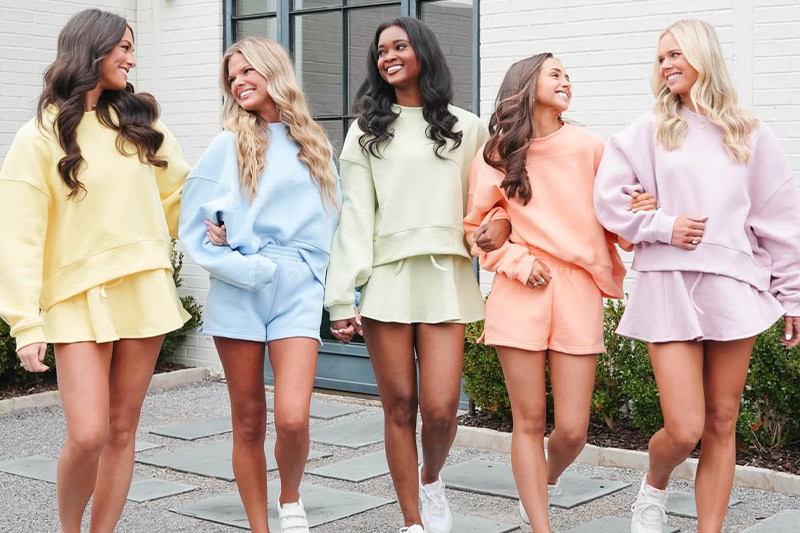
A useful clothing Tech Pack should clearly define the garment design, measurements, fabric and trim specifications, construction details, colors, branding, labels and packaging requirements. Before sampling, the goal is not to make the document look complicated. It is to remove enough ambiguity for the manufacturer to understand what needs to be developed, quoted and confirmed.
For apparel brands, this matters because many sampling problems begin before the first piece of fabric is cut. A missing measurement, unclear fabric description or unspecified logo position can lead a brand and manufacturer to interpret the same design differently.
A well-prepared Tech Pack creates a common technical reference throughout product development. It helps both sides discuss the same product specifications, identify missing information earlier and make sample revisions easier to track.
What Is a Clothing Tech Pack?
A clothing Tech Pack is a technical document used to communicate how a garment should be developed and produced. It normally combines visual information, garment measurements, materials, construction instructions, branding details and other product specifications in one working document.
There is no single universal Tech Pack format used by every apparel brand or manufacturer. A basic T-shirt and a technically complicated jacket do not require the same level of documentation. What matters is whether the information is detailed enough for the manufacturer to understand the product without making unnecessary assumptions.
In practice, a Tech Pack can support several stages of an apparel project, including feasibility review, initial quotation, fabric and trim sourcing, pattern development, sampling, fit revisions and preparation for bulk production.
Why a Tech Pack Reduces Development Ambiguity
A manufacturer can often begin discussing a product from a reference photo, sketch or physical sample, but those references rarely explain every technical detail.
Two suppliers looking at the same image may assume different fabrics, measurements, sewing methods, trims or finishing requirements. Those differences can affect not only the sample but also the quotation.
This becomes especially important when a brand is comparing several manufacturers. If one factory assumes a lighter fabric, another uses a different construction method and a third includes additional packaging or branding requirements, the quotations are not based on exactly the same product.
Buyer takeaway: A quotation based on incomplete specifications is often partly based on assumptions. The clearer the Tech Pack, the easier it becomes to compare sampling and production proposals on the same basis.
What Should a Clothing Tech Pack Include?
The exact contents depend on the garment and development stage, but most useful apparel Tech Packs include several core sections.
| Tech Pack Section | What to Include | Why It Matters |
|---|---|---|
| Style Identification | Style number, product name, version or season | Keeps samples, revisions and comments connected to the correct product |
| Technical Drawings | Front, back and relevant detail views | Clarifies silhouette, construction and design features |
| Measurements | Points of measure, base size and measurement methods | Supports pattern development, fit review and sample evaluation |
| Fabric | Composition, GSM, structure, finish, color and other requirements | Influences hand feel, fit, construction, performance and cost |
| Trims | Zippers, drawcords, elastic, buttons, snaps and other components | Helps the manufacturer source and cost the correct components |
| Construction | Seams, stitches, panels, finishing and special workmanship | Defines how the garment should be assembled |
| Colors | Color references for fabric, trims, prints and logos | Reduces differences in color interpretation |
| Artwork | Logo file, dimensions, placement, color and application method | Supports more accurate printing, embroidery or other branding development |
| Labels | Main label, size label, care label and other required labels | Clarifies branding and labeling requirements |
| Packaging | Folding, bags, stickers, hangtags, cartons and other packing instructions | Helps the supplier evaluate final packing requirements correctly |
Start With Clear Technical Drawings
Technical drawings, often called flats or flat sketches, give the manufacturer a clearer view of a garment than lifestyle photography alone.
A basic Tech Pack should normally show the front and back of the garment. Additional views are useful when important features cannot be understood from those two drawings.
Depending on the product, detail views may show the hood, neckline, waistband, cuffs, pockets, side panels, zipper construction, seam placement or internal structure.
The drawings should also reflect the latest version of the product. If a design changes during sampling, the technical drawing should be updated so that the document and the current sample direction remain consistent.
Add Construction Notes Where Drawings Are Not Enough
A technical drawing shows where a feature is located, but it does not always explain how that feature should be constructed. Construction notes are useful for details such as seam type, topstitching, binding, hems, pocket construction, lining, rib attachment or reinforcement.
The required level of detail depends on the product and on how much control the brand wants over the final construction. Critical features should not be left open to interpretation when they can be defined beforehand.
What Fabric Information Should Be Included?
Fabric is one of the most important parts of a clothing Tech Pack because changing the fabric can change the fit, drape, hand feel, appearance, construction requirements and final cost of the garment.
Where the information is available, the fabric specification may include:
- Fiber composition
- Fabric weight in GSM
- Knit or woven construction
- Surface or inside finish
- Color reference
- Stretch requirements
- Hand-feel reference
- Functional or performance requirements
For example, writing only “cotton fabric” leaves considerable room for interpretation. A more specific description such as cotton-rich French terry with a defined GSM range and finish gives the manufacturer a clearer sourcing direction.
Important: GSM should not be evaluated alone. Two fabrics with the same GSM can feel and perform differently because of fiber composition, knit construction and finishing.
Include a Bill of Materials for Fabrics and Trims
A Bill of Materials, commonly shortened to BOM, identifies the components needed to make the garment.
Depending on the style, the BOM may include:
- Main fabric
- Contrast fabric or lining
- Rib
- Elastic
- Drawcord
- Zipper
- Buttons or snaps
- Labels
- Hangtags
- Packaging materials
Not every early-stage Tech Pack needs a highly complex BOM. The amount of detail should match the complexity of the garment and the stage of product development. However, components that can materially affect sampling or quotation should not be omitted.
Define Colors More Precisely Than a Screen Image
Colors displayed on different screens can vary. If color accuracy matters, a brand should provide an agreed reference system or physical reference when available rather than relying only on a screenshot.
The Tech Pack should also make clear whether a color reference applies to the main fabric, rib, zipper, drawcord, print, embroidery or another component. Color matching may need to be confirmed separately during development depending on the materials involved.
How Detailed Should Garment Measurements Be?
Measurement specifications are one of the most important parts of a Tech Pack because they create a measurable reference for pattern development and sample evaluation.
Depending on the garment, common Points of Measure may include:
- Chest width
- Body length
- Shoulder width
- Sleeve length
- Waist
- Hip
- Rise
- Inseam
- Leg opening
The relevant measurements change by product type. A hoodie, pajama set and pair of leggings should not use the same measurement structure.
Specify the Measurement Method
A number alone is not always enough. The manufacturer should understand exactly where and how the measurement is taken.
Different measurement methods for body length, sleeve length or waist can produce different results even when both parties believe they are checking the same point.
Choose a Base Size for Development
Many apparel development projects begin by confirming one base size before completing the entire graded size range. This allows fit, proportion and construction to be reviewed before additional sizes are finalized.
Brands that already have an established grading system may provide the complete size specification earlier in development.
Define Tolerances Carefully
Measurement tolerances should not be treated as one universal number for every garment and every point of measure. Appropriate tolerances depend on the product, fabric, construction and measurement location.
Brands and manufacturers should agree on the relevant tolerances instead of assuming that the same tolerance applies across the entire garment.
Do You Need Full Size Grading Before the First Sample?
Not always.
If the first sample is primarily being developed to review construction, proportion and fit, the brand may begin with one base size and complete grading after that size has been approved.
For a mature product with an established size system, complete graded specifications may already be available before sampling starts.
The right approach depends on how developed the product is before it reaches the manufacturer.
How Should Logo and Artwork Details Be Specified?
Branding instructions should be more precise than notes such as “logo on chest.” The sample team needs enough information to understand the intended size, position and application method.
Useful artwork information may include:
- Vector or high-resolution artwork file
- Logo width and height
- Exact placement measurements
- Artwork color
- Application method
- Any special finish or texture requirement
The application method may include embroidery, screen printing, heat transfer or another technique depending on the design. The selected method should also be evaluated together with fabric characteristics, garment construction and artwork detail.
Include Label and Packaging Requirements
Labels and packaging can be easy to overlook during early product development, but they may affect both quotation and production preparation.
Depending on the project, the Tech Pack may identify:
- Main brand label
- Size label
- Care label
- Hangtag
- Barcode or sticker requirements
- Folding method
- Individual bag requirements
- Carton packing instructions
Regulatory labeling requirements vary by product and destination market. Applicable legal or compliance requirements should therefore be confirmed for the specific order rather than copied from a generic Tech Pack template.
Use Version Control Throughout Sample Development
Version control is one of the simplest ways to prevent confusion during product development.
Sampling often involves several rounds of comments and adjustments. Measurements may change, construction details may be corrected, artwork can move and fabric choices may be revised.
If comments, drawings and measurement sheets are updated without clear version control, the manufacturer may accidentally work from an older instruction.
A practical system can include a version number, revision date and short change log so both sides know which document is currently valid.
Can a Factory Quote Without a Complete Tech Pack?
Yes, in some cases a manufacturer can provide an initial estimate without a complete Tech Pack. However, the accuracy of that estimate depends heavily on how much information is available.
A reference image may communicate the general product direction, but it usually does not define fabric weight, exact construction, garment measurements, branding, labels or packaging.
Those missing details can materially change the final quotation.
Practical rule: The less defined the specification is, the more assumptions may be built into the quotation. When comparing manufacturers, try to make sure each supplier is quoting against the same product requirements.
What If You Don't Have a Tech Pack?
Not every apparel brand approaches a manufacturer with a finished Tech Pack. Development may begin from a physical garment, sketches, reference images or an early product concept.
Useful materials to provide when a complete Tech Pack is not available can include:
- A physical reference sample
- Reference product images
- A measurement chart
- An existing size chart
- Fabric swatches
- Logo and artwork files
- Design notes or sketches
- Target product positioning
- Estimated order quantity
A reference image can be useful for communicating design direction, but it normally does not contain enough information for accurate sampling or bulk production. Measurements, fabric, construction, branding and other specifications still need to be clarified during development.
Tech Pack vs Physical Sample: Which Is Better?
A Tech Pack and a physical reference sample serve different purposes, so one does not always replace the other.
A physical reference garment is useful for understanding proportion, hand feel, construction, fit and overall appearance. A Tech Pack is better for documenting exact measurements, required changes, artwork, materials and technical specifications.
When both are available, they can complement each other. The physical sample communicates details that may be difficult to describe on a page, while the Tech Pack records what should remain the same and what needs to be changed.
What Can a Manufacturer Evaluate From Your Tech Pack?
Before sampling begins, a manufacturer is not only trying to understand what the garment looks like. The product development team may also use the Tech Pack to evaluate practical questions that affect the project.
- Can the requested construction be produced with the proposed fabric?
- Which fabrics and trims need to be sourced?
- Which specifications are still missing or unclear?
- How much development work is required before sampling?
- Which product details will materially affect the quotation?
- Which points need to be confirmed before bulk production?
This is why a Tech Pack can function as more than a production instruction sheet. During early development, it can also support feasibility review, communication and quotation.
Common Tech Pack Mistakes Before Sampling
Pre-Sample Tech Pack Checklist
Before sending your product information to a clothing manufacturer for sample development, review the following points.
What Happens After You Send a Tech Pack to a Manufacturer?
The next step should normally be a technical review rather than immediately starting bulk production.
The manufacturer may review the specifications, identify missing information, confirm material requirements, discuss construction questions and determine what is needed for the first sample.
For a product with complete specifications, this process may be relatively straightforward. For a project that begins with a concept, reference garment or incomplete Tech Pack, additional product-development work may be required before an accurate sample can be produced.
At MinCharm, sample development typically takes around 7–10 days once the required product information and development conditions are confirmed. Actual timing can vary depending on the garment, fabric availability, customization and the amount of development work required.
Final Takeaway
A good clothing Tech Pack is not measured by how many pages it contains. Its value comes from how clearly it communicates the product.
Before requesting a sample, focus on the information that can materially change development: technical drawings, measurements, fabric, construction, trims, branding, labels and packaging.
Just as importantly, keep revisions controlled so that the manufacturer is always working from the latest approved information.
If your product is still at the concept or reference-sample stage, every specification does not necessarily need to be finalized before the first conversation with a manufacturer. The key is to separate what is already confirmed from what still requires development, then resolve those open points before the sample becomes the reference for bulk production.
Frequently Asked Questions
What should a clothing Tech Pack include?
A clothing Tech Pack typically includes technical drawings, garment measurements, fabric specifications, construction details, trims, colors, artwork, labels and packaging requirements. The exact level of detail depends on the garment and its stage of development.
Can a clothing manufacturer quote without a Tech Pack?
A manufacturer may be able to provide an initial estimate from reference images or a physical sample, but the quotation may rely on assumptions when fabric, measurements, construction, branding or packaging details have not been defined. More complete specifications make quotations easier to compare accurately.
What files should I send with a Tech Pack?
Useful supporting files may include vector artwork, reference images, measurement diagrams, fabric references, label artwork, packaging instructions and photographs of any physical reference garment. The exact files required depend on the product and customization method.
How detailed should garment measurements be?
Measurements should clearly identify each Point of Measure and explain how it is taken. Critical fit and construction dimensions should be defined clearly enough for pattern development and sample evaluation.
Can a manufacturer develop a sample if I don't have a Tech Pack?
In many cases, yes. Development may begin from a physical sample, sketches, reference images, measurements or a product concept. However, missing specifications still need to be clarified during development before the garment becomes a reliable reference for bulk production.